
Local SEO Platform Launch Targets Small Business Visibility Gaps
September 15, 2026
Quick Summary: VisiLocali launched a UK local SEO platform on August 11, 2026, that tracks Google Maps rankings, audits Google Business Profiles, and uses AI to suggest fixes by comparing you to nearby competitors, all without agency fees. Its main value is turning rank data into a prioritized action list, but the article stresses AI suggestions are starting points, not guarantees, since Google ranks by relevance, distance, and prominence. For hands-on strategy and support beyond software, the article points to Harrigan Creative as a broader service option.
VisiLocali launched its local SEO platform in the United Kingdom on August 11, 2026. The local SEO platform tracks Maps rankings, compares Google Business Profiles, and suggests AI-led fixes without an agency retainer. A complete profile can still lose to competitors with better reviews, categories, photos, or content. This local SEO platform review examines its competitor-first workflow, the data behind it, and where software, agency help, or a broader marketing suite fits.
What VisiLocali Offers Small Businesses at Launch
The Core Tools Behind the Launch
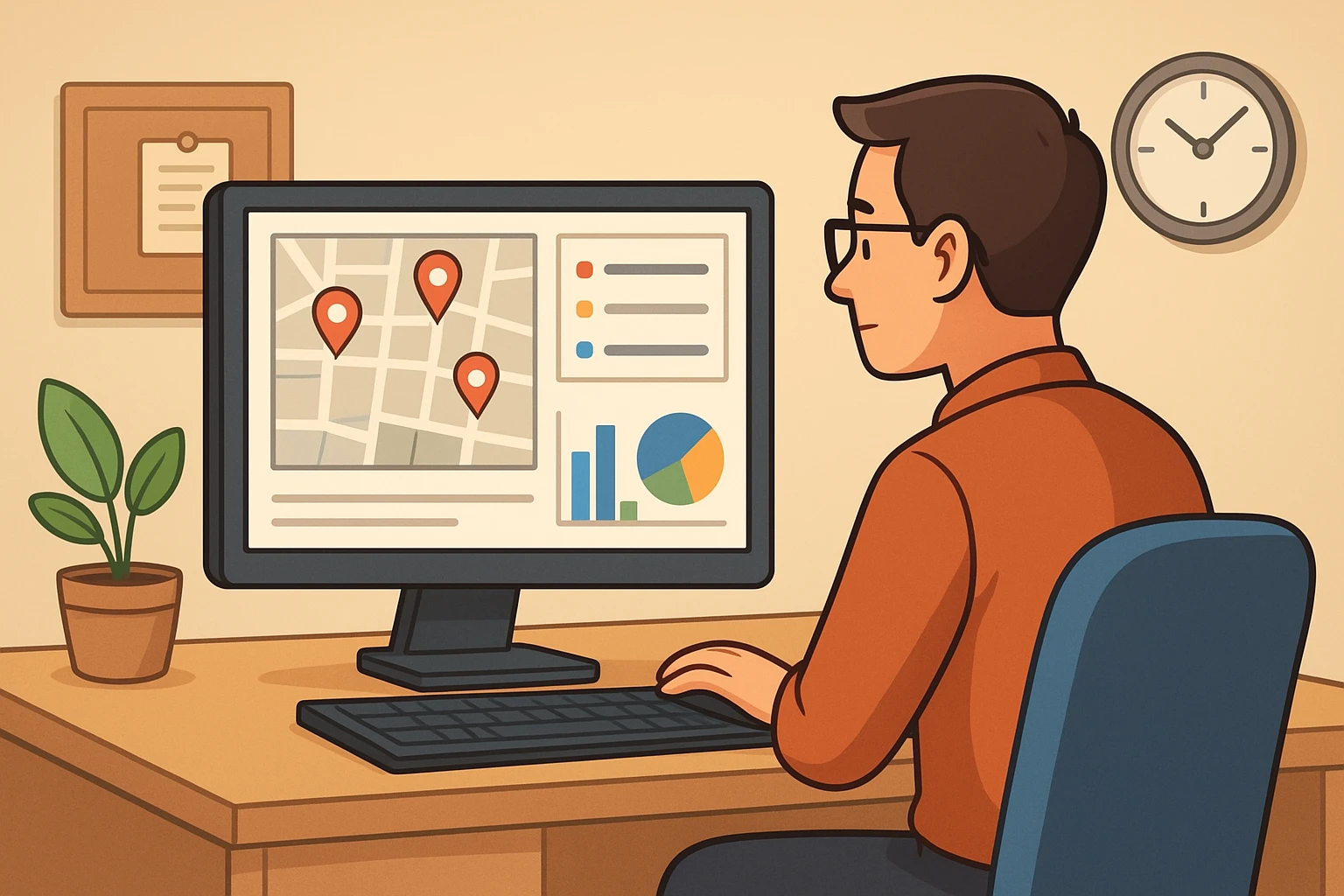
VisiLocali launches with a competitor-led local SEO workflow. It tracks Google Maps visibility by keyword and area, then compares your Google Business Profile with the businesses ranking above you.
Its launch announcement highlights these core tools:
- Local rank tracking across a map grid
- Profile audits for categories, reviews, photos, hours, and business details
- Competitor comparison for top local results
- AI suggestions that turn gaps into next actions
- Profile management for updates, review replies, and posts
| Tool | Practical use |
|---|---|
| Rank tracker | Shows weak service areas |
| Profile audit | Finds gaps worth fixing |
| AI insights | Suggests a priority action |
Treat AI advice as a starting point, not proof that a change will lift rankings.
The platform also notes limits: it does not automate citation edits or build a replacement website. Its product page instead points users toward guided actions.
Why Competitor Comparison Is the Platform's Main Angle
From Visibility Data to a Next Action
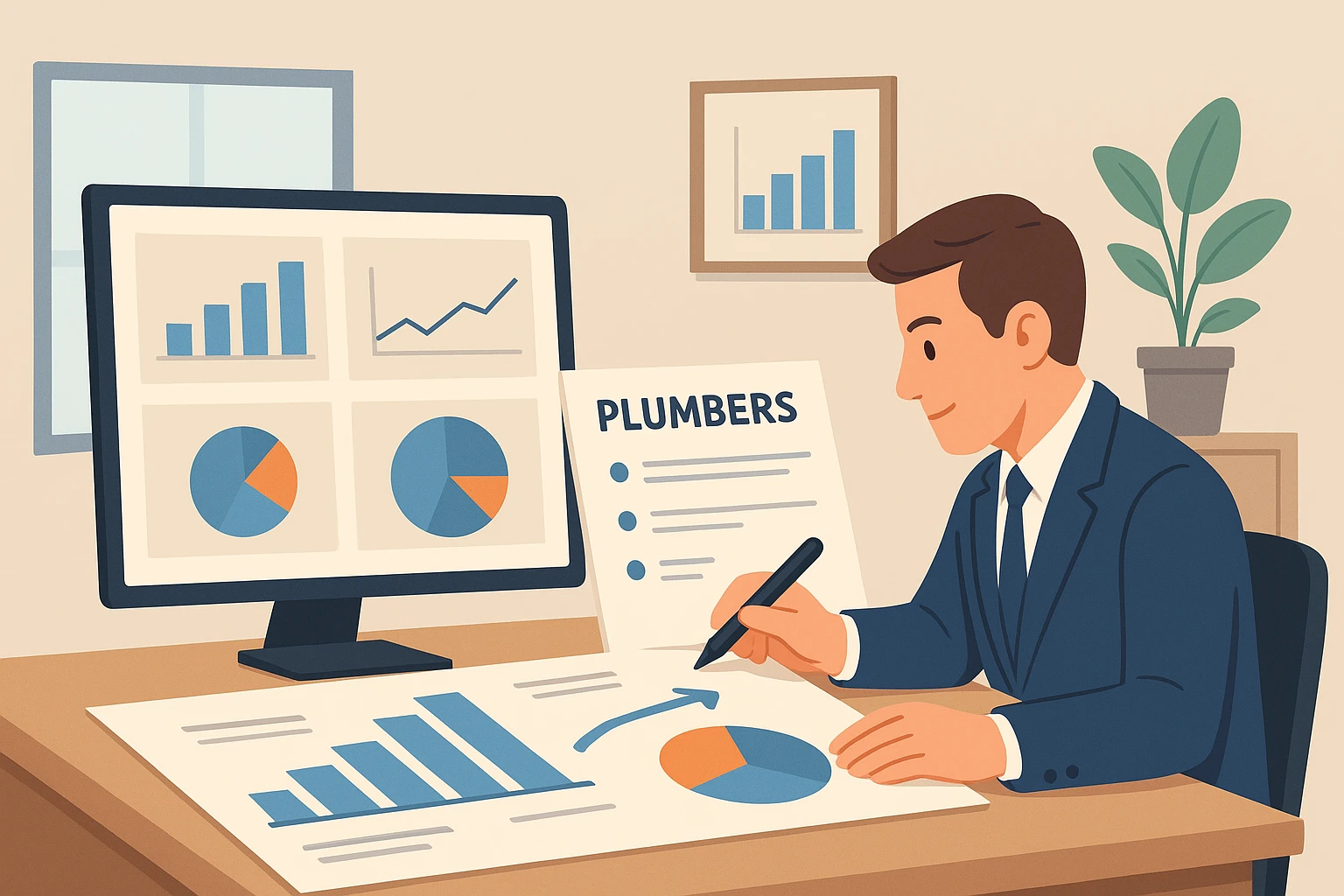
A rank report alone tells you little. Competitor comparison turns a missed result into a clear next move.
Google says local results rely mainly on relevance, distance, and prominence. A useful platform compares the signals you can influence, then flags the gap.
| Compare | Turn it into action |
|---|---|
| Categories and services | Add only accurate missing services |
| Reviews and replies | Build a steady review request process |
| Profile details | Fix hours, photos, and attributes |
- Pick the businesses that appear for your core service.
- Check what they do better in public-facing data.
- Fix the most direct gap first.
Treat AI suggestions as a work list, not proof that rankings will rise. Distance and searcher location can still change the result.
- Do not copy a competitor's business name or category stuffing.
- Recheck visibility after each change.
How the Launch Compares With Other Small-Business Options
The launch stands out by starting with nearby competitors, then turning gaps into tasks. A basic Google Business Profile is free and essential, but it does not show why a rival wins.
| Option | Best use | Main limit |
|---|---|---|
| Google Business Profile | Keep core details accurate | No competitor-led work plan |
| New platform | Find gaps and prioritize fixes | Recommendations are not ranking proof |
| Harrigan Creative | Get strategy plus hands-on support | Requires a broader service investment |
Google says local results rely on relevance, distance, and prominence, so no tool can promise a Maps position. Google's local ranking guidance also says you cannot pay for better organic local ranking.
Check the advice before acting. Confirm each suggested category, service, and competitor against your real business.
- Track calls, direction requests, and leads.
- Review results after each change.
Also Read: Growth Strategy for Service Brands: 7 Digital Plays
Why Small Businesses Need More Local Search Context
A single ranking check cannot show your real local visibility. Results change by searcher location, service intent, and the businesses already competing nearby.
Google says local results mainly weigh relevance, distance, and prominence. A competitor may rank higher because its profile matches the query better, has stronger reviews, or sits closer to the searcher.
| What to check | Why it matters |
|---|---|
| Nearby competitors | Shows the real gap |
| Service terms | Reveals missing relevance |
| Reviews and links | Points to trust gaps |
Treat AI recommendations as priorities to test, not proof that rankings will rise.
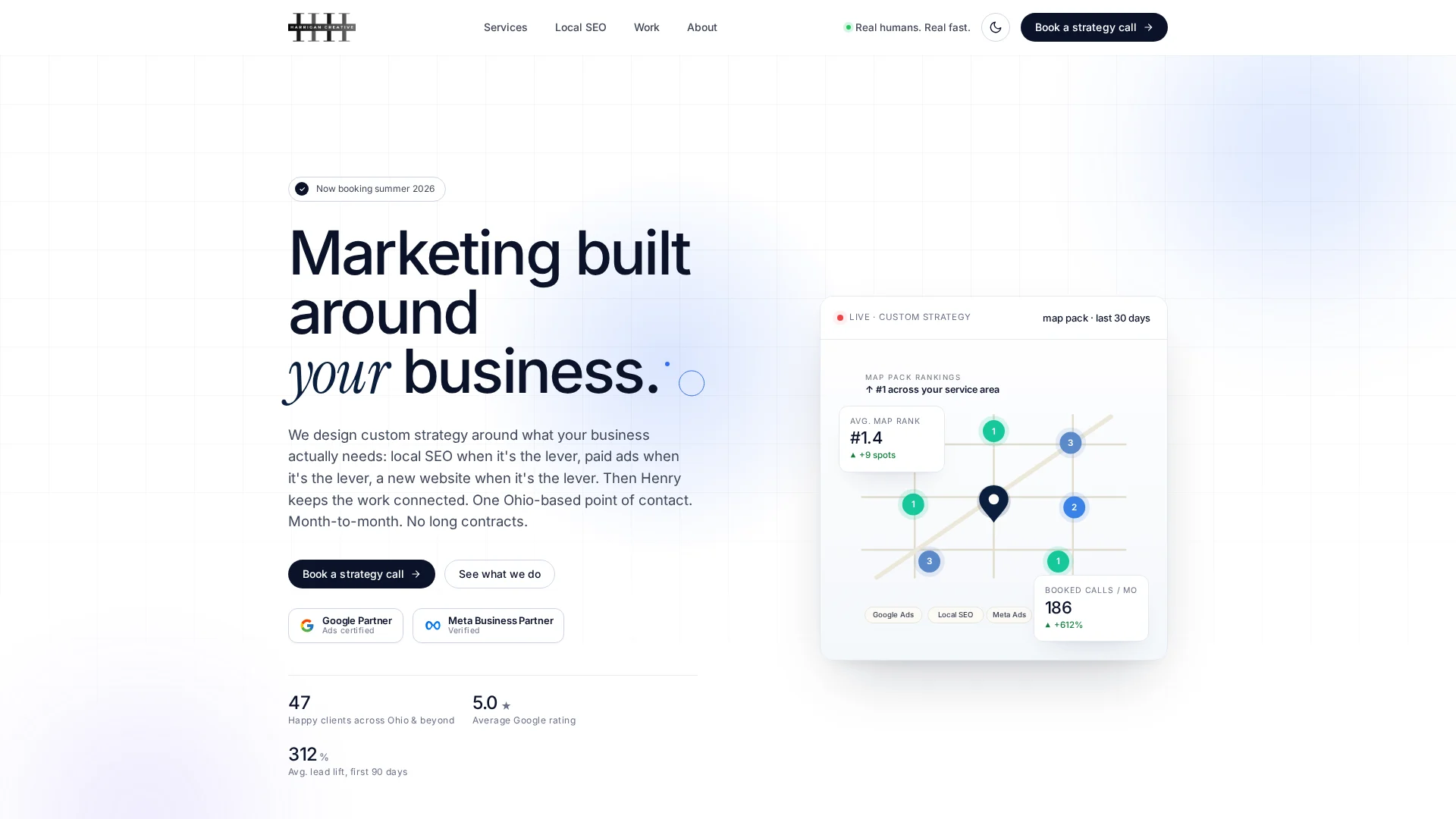
Turn local visibility gaps into a clear action plan. Harrigan Creative builds local SEO, paid media, and web strategies that drive qualified leads and measurable growth.
Frequently Asked Questions
Q1: What does the new local SEO platform offer small businesses?
It reviews nearby competitors, flags visibility gaps, and suggests actions for Search and Maps. Treat its advice as a work list, not proof that rankings will rise.
Q2: Should I follow every AI recommendation?
No. Check each suggestion against your services, location, and customer needs. Wrong categories or keyword stuffing can hurt trust.
Q3: What should I track after making changes?
Track map views, calls, direction requests, site visits, leads, and booked jobs. Compare results monthly, not day to day.
Conclusion
The platform can reveal competitor gaps and speed up local SEO work. Treat AI ideas as tests, not proof. Google ranks local results by relevance, distance, and prominence.